Change Request Work Progress Update
Event Objectives
This report summarises the first Solarpunk Intensive held in Argentina as part of the Catalyst-funded programme. The event brought together local organisations, developers and community members to form project teams around regenerative technology challenges. This involves developing tools with a focus on agriculture, recycling, and democratic governance systems: expected categories . The purpose of this report is to demonstrate the work completed to date and provide context for the submitted change request.
Summary
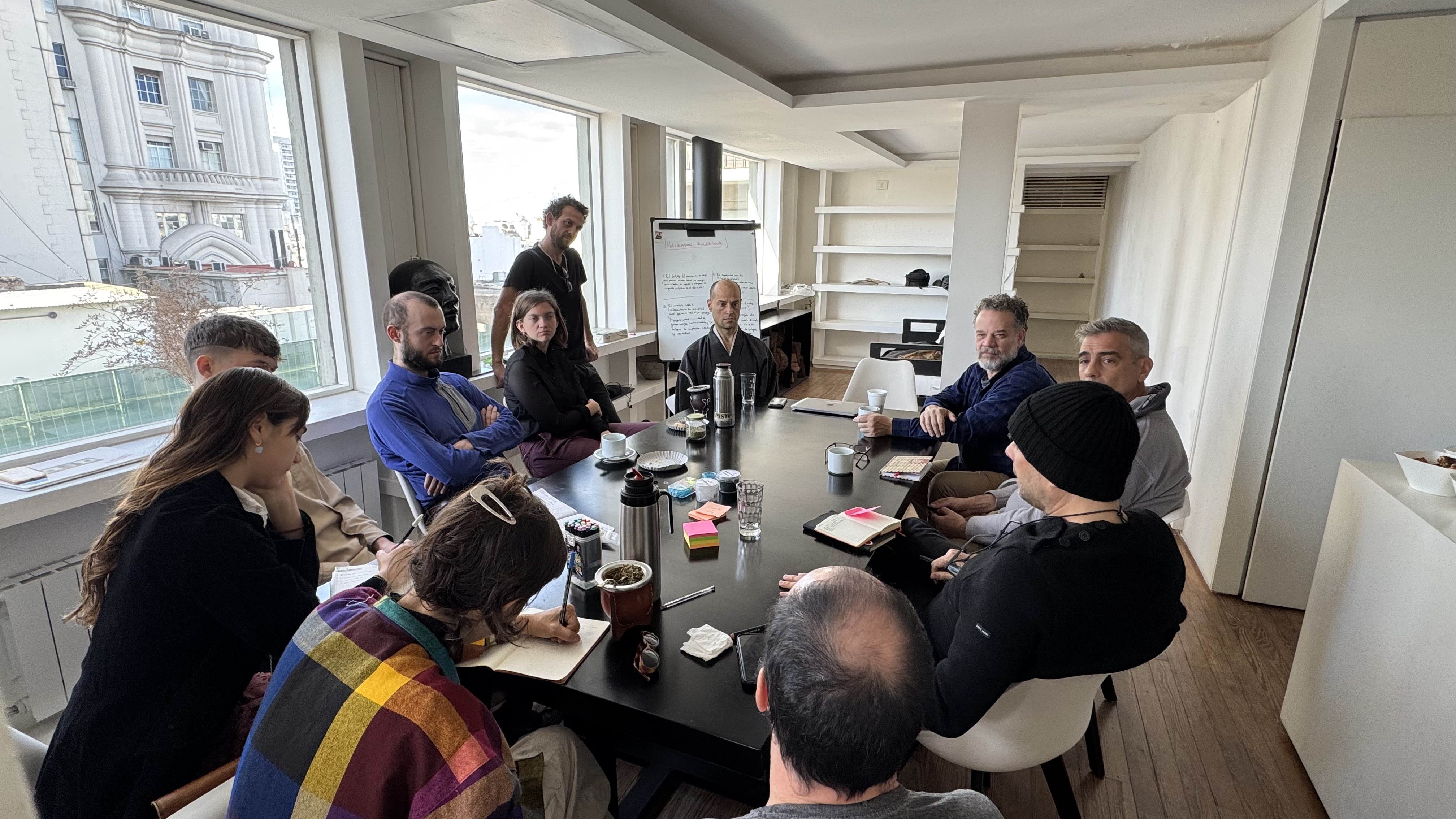
- Event page : 34 registrations with approximately 20 attending the in-person intensive (see images below).
- Event organising (20+ videos showing multiple weeks of design and planning).
- Agenda for the day that was developed by a local organising partner.
Attendees and Organizations Involved
- El Futuro Imposible : An animated series providing cultural narrative and inspiration for the event.
- El Pantano : A key location for the event, serving as a hub for activities and workshops. The location later moved to be more central to Buenos Aires, again accounting for the budget depreciation as we couldn’t afford the transport to the venue which required boat hire.
- Various Argentine Organizations: Including Archibrazo , Quinta Esencia and Democracia en Red , which are involved in the event to support the development of regenerative tools and solutions.
- Developers and Community Members: Participants include developers and community members who are interested in Solarpunk and regenerative practices.
Partner Contributions
This is also the Contracts deliveriable for Milestone 1A
- El Futuro Imposible : Provided the narrative framework for the event, helping to shape the vision and goals of the gathering.
- El Pantano : Hosted the event and played a key role in recruiting the local community to participate in the activities and discussions.
- Archibrazo : Technical implementation partner, providing 7 tools for community organising already in progress to migrate to Cardano from Avalanche .
Outcomes and Next Steps
After several meetings and extensive outreach, conducted via warm connections from the organising partners listed above, we held a day of team formation and prototype definition at a local coworking space, culminating in pitches. Operational tasks included…
- Local partnerships established
- Venue secured
- Facilitation designed
- Prototypes defined
- Regional organisation onboarding completed
- First in-person kick-off event successfully delivered
The intensive established a strong foundation for the next phase of the programme. Rather than being an isolated event, it initiated ongoing relationships, shared infrastructure, and a portfolio of prototype projects that will now be developed over the coming two months.
The work completed during this intensive forms the foundation for Milestone 1 and provides the teams, partnerships and infrastructure required to deliver the remaining prototype development activities.
1. Continue activating the regional network
One of the most significant outcomes was the formation of relationships and shared intentionality between participants and partner organisations. Bringing together communities working across technology, governance, and socio-ecological health is difficult, and this event enabled these organisations to deepen both their existing relationships, develop their collective intent and make that known to each other. The venue was also launched as a coworking space with free access for members of this programme, in order to support the development of their projects.
Next step: Continue meeting with participating organisations and project teams, ideally organising another intensive, to strengthen these relationships, coordinate activities across the network, and support ongoing collaboration throughout the prototype development phase.
2. Expand the shared publishing infrastructure
The event successfully introduced and deployed the project’s publishing infrastructure within Archibrazo, establishing the first regional node capable of documenting and publishing its own work using the shared knowledge commons. This required an installation workshop lasting one whole day, which is documented in 4 calls, which took place after an introductory meeting.
This provides the foundation for making the wider network visible as a coherent ecosystem while allowing each regional organisation to maintain ownership of its local context and activities.
Next step: Propagate this publishing infrastructure to additional regional organisations, enabling each hub to contribute documentation, project updates, and learning into a shared public knowledge base.
3. Develop seven regional prototypes
The intensive concluded with the identification of seven prototype projects, each aligned with a regional organisation capable of stewarding its continued development. These projects represent locally grounded responses to regenerative challenges identified during the event and form the core delivery portfolio for the programme.
Next step: Support each team through a two-month development period to refine, implement, and test their prototypes in collaboration with their regional partners, culminating in the delivery of functional prototypes as part of the project’s remaining milestones.